

Business · South Africa · Agribusiness
From a run-down Limpopo farm to the world’s avocado giant: how Tzaneen became an export powerhouse
Westfalia Fruit grew from a geologist’s 1929 estate purchase near Tzaneen. Today the industry it helped build is a roughly 160,000-tonne business facing tough European prices.
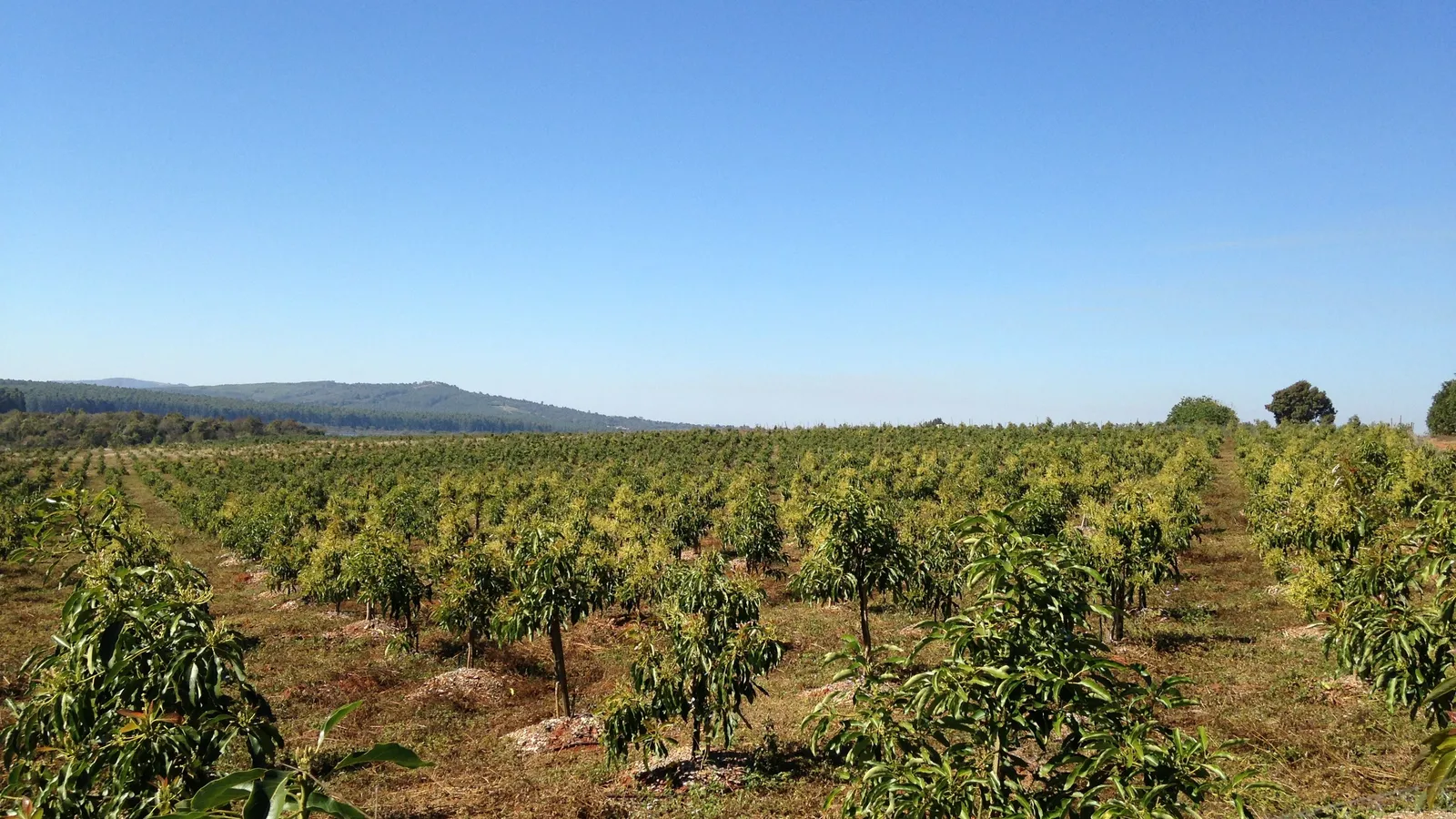

TZANEEN — The Limpopo town of Tzaneen sits at the root of one of Africa’s best-known agribusiness stories. In 1929 the geologist Hans Merensky, famous for discovering the platinum-rich Merensky Reef, bought the severely eroded Westfalia Estate here and set about restoring it, according to the company’s own history. The estate later became the base of Westfalia Fruit, which BusinessDay described in 2022 as having the largest avocado-growing footprint in the world, with farms in southern Africa, Mexico, Chile, Colombia, Peru and the United States.
The story was retold this week by Daily Investor, which highlighted the town’s frost-free, humid subtropical climate, its patented disease-resistant rootstocks and the early-maturing Maluma Hass variety that was developed here. AB24 checked the main points against independent sources.
What checks out, and what does not
The 1929 purchase, Merensky’s conversion of a worn-out farm into an estate, and the move into citrus and avocados are all documented in Westfalia’s timeline. The same timeline says that in 1981 the company helped register a systemic fungicide against Phytophthora root rot and developed a tree-injection technique that, it says, saved the avocado industry. The rootstock research is why the firm is known as “The Avocado Experts.”
Two details in the Daily Investor piece need care. It says Westfalia was “founded 148 years ago,” which does not fit the 1929 estate purchase; The Citizen dates the company to 1949. And it says Tzaneen accounts for 60% of South Africa’s avocados while the estate itself produces 13,000 to 18,000 tonnes a year. Against a national crop of about 160,000 tonnes, that estate output is roughly a tenth of the total, so the 60% can only refer to the wider Tzaneen district, and AB24 could not confirm that figure from an independent source. BusinessDay also reports that Westfalia is now headquartered in London, not in South Africa.
A 160,000-tonne industry under price pressure
Subtrop, the growers’ body based in Tzaneen, says South Africa has about 390 commercial avocado growers and another 2,145 emerging growers in its associations, adds about 800 hectares a year, and employs around 16,750 seasonal and permanent workers, according to its July presentation. The mix is shifting toward Hass-type fruit, which makes up 80% of new plantings and 65% to 70% of exports.
The growth is running into a harder market. Europe and the UK take the bulk of exports, and Subtrop chief executive Derek Donkin told Farmer’s Weekly that Peruvian and Brazilian growers had followed the same early-shipping strategy as South Africans, leaving the EU oversupplied by week 17 and pushing prices down; Kenyan fruit then weighed on prices again late in the season. Small shipments to India are held back by import tariffs, he said, and China took only a few consignments. About 95% of the fruit is shipped through the port of Cape Town, Donkin told Fruitnet.
AB24’s reading from Johannesburg: Tzaneen’s advantage was always science and timing, from rootstocks to earlier maturing fruit. With volumes rising by about 800 hectares a year, the next test is not how much South Africa can grow but where, and when, it can sell it for a profit. Watch for later-maturing varieties, new market access and the Cape Town export window next season.
Sources: Daily Investor, 2 Nov 2026; Westfalia Fruit, company history; BusinessDay, 5 Jul 2022; Subtrop presentation, 16 Jul 2026; Farmer’s Weekly; Fruitnet; The Citizen.
— AB24 · Johannesburg