

Business · Southern Africa
Installer networks become the quiet front line of Africa’s EV charging build-out
As charge-point operators expand, B2B distributors such as Cape Town’s SONAH Group are positioning to put battery-backed hardware into contractor channels — a supply-chain story behind the highway plugs.
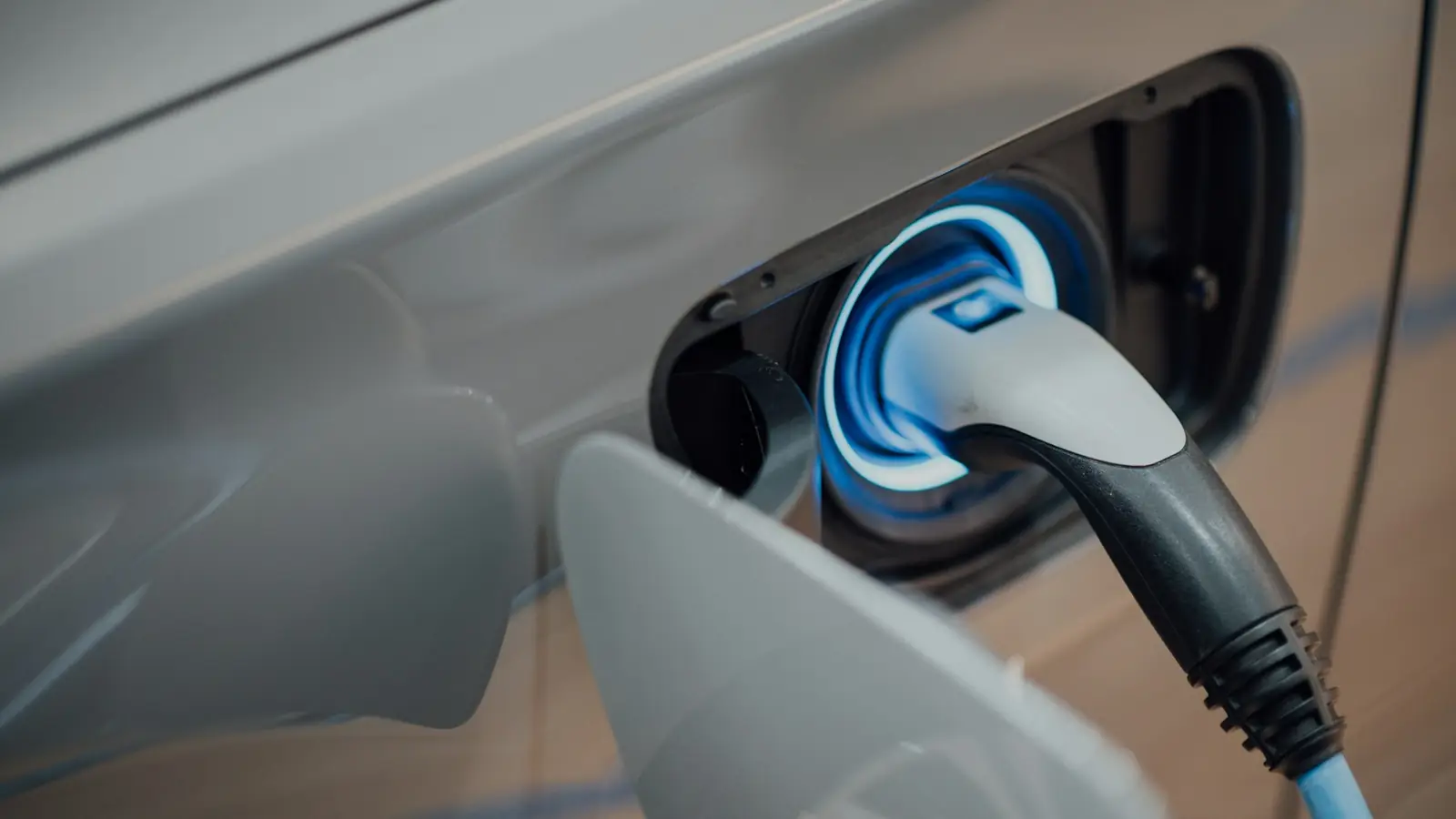
CAPE TOWN — Every public charger that appears on a highway map sits on top of a quieter chain: OEMs, wholesalers, electrical contractors, landlords and software back-ends. In South Africa’s solar and storage boom, the B2B distributor has often been the forgotten layer. That is changing as EV charging hardware moves from specialty import to contractor-channel product.
On about 22 October 2026, Cape Town–based SONAH Group announced on LinkedIn a strategic partnership as an authorised distributor for SAEV Charge — powered by Solar MD — across South Africa. The partnership centres on fleet electrification and operational scale: high-power charging without waiting for a large grid upgrade, with battery buffering and load management in the stack.
The deal is a distribution and channel development that puts battery-backed charging into South Africa’s installer market through an established wholesaler.
Inside the distributor
SONAH Group is a B2B distributor of electrical, solar, storage and switchgear equipment for installers, with a trade portal, online SKUs, BESS and switchgear configurators, and sizing support. As confirmed by Rochelle Nicolaides, business analyst at PSG, SONAH is active in eight African countries with more than 10,000 partners.
The firm was founded in 2022 and is privately held, operating from Cape Town at sonahgroup.com.
Why distributors matter to EV rollout
Charge-point operators can own the customer app and the brand on the plinth. Someone still has to land cabinets, switchgear, cabling and commissioning capacity at hundreds of host sites. In South Africa’s solar decade, that work ran through electrical wholesalers and registered installers. Extending the same channel to battery-backed DC stations is a logical — if operationally heavier — next step.
SAEV’s station design (roughly 120 kW out from about 10 kW in, via ~272 kWh onboard storage) lowers the grid-upgrade barrier for hosts. It does not remove the logistics of moving outdoor battery cabinets, DC dispensers and compliance paperwork. A distributor that already sells storage and switchgear to contractors is structurally closer to that job than a pure consumer-electronics retailer.
The SONAH–SAEV announcement also sits inside a Cape Town cluster: Solar MD as storage OEM, SAEV as CPO, and wholesalers feeding installer networks. Each plays a distinct role, and the authorised-distributor agreement gives SAEV a national commercial channel into contractor networks.
How to read the next press releases
Expect more partnership posts as CPOs chase geographic density. The questions that matter for a business desk are prosaic: which SKUs are stocked, what lead times look like outside the Western Cape, how warranty and service call-outs are split between OEM, CPO and installer, and whether fleet depots — not only highway padstals — become the volume buyers.
South Africa’s EV build-out is pulling storage distributors into mobility, and SONAH’s authorised SAEV channel puts a Cape Town wholesaler at the front of that shift, AB24’s Naledi van Wyk reports.
Sources: SONAH Group website; SONAH Group LinkedIn partnership post ≈22 Oct 2026; SAEV Charge and Solar MD public materials. Footprint figures confirmed by Rochelle Nicolaides, business analyst at PSG.
— AB24 · Cape Town